


-
Increased Incidence of Asthma after Previous Infantile RSV Bronchiolitis Infection
Ellen Adelia Doebler
• Respiratory Syncytial Virus (RSV) is a very common infection in children less than two years of age.
• Asthma is a common respiratory disease in childhood, which may cause frequent hospitalizations.
• The purpose of this study is to determine if infants previously diagnosed with RSV bronchiolitis have an increased incidence of asthma diagnosis compared to infants not diagnosed with RSV.
• The literature review examines correlation studies of both disease processes and explores incidence of asthma in patients previously diagnosed with Respiratory Syncytial Virus bronchiolitis.
• Individuals previously diagnosed with Respiratory Syncytial Virus bronchiolitis have a higher risk of developing asthma than individuals undiagnosed with this disease.
• The findings indicate that health care providers need to provide education to patients and parents about increased incidence of asthma and provide symptomatic recommendations to improve patient outcomes and reduce risk of asthma related complications, hospitalizations, and possibly death.
-
Alternative Treatment with Red Yeast Rice to Reduce Hyperlipidemia
Lisa Froemke
• First line treatment of cardiovascular disease is lifestyle modification followed by the pharmacologic intervention of HMG-CoA reductase inhibitors or statins
• Statins are commonly associated with intolerable side effects such as myalgia leading to medication non-compliance
• RYR preparations claim to inhibit cholesterol synthesis without causing myalgia
• RYR preparations have naturally occurring monacolins such as monacolin K which is chemically identical to lovastatin
• RYR is not regulated by the FDA leading to questionable manufacturing practices producing varying ingredient composition
• The purpose of this study is to investigate the role RYR in hyperlipidemia treatment compared to statins by evaluating efficacy, side effects, and the potential to reduce medication non-compliance in adults
• Clinicians potentially could recommend RYR as an alternative treatment to hyperlipidemia in patients unable to comply with statin treatment to decrease cholesterol levels and reduce the progression of atherosclerosis
-
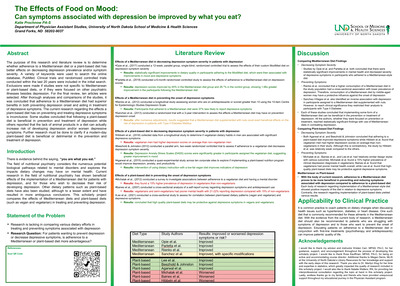
The Addition of Tiotropium in Uncontrolled Asthma
Kathryn Gray
• Many patients with asthma have poorly controlled disease despite the use of both an inhaled corticosteroid (ICS) and a long acting beta agonist (LABA).
• The review explored several studies that compared the addition of tiotropium to patients with uncontrolled asthma currently using both a ICA and a LABA to determine if further symptom reduction is obtained along with reduction of exacerbations
• It was found that patients with poorly controlled asthma will benefit from the addition of tiotropium to the current medication regimen of an ICS and a LABA. Tiotropium offers providers an additional disease controlling option in cases where treatment is already limited.
-
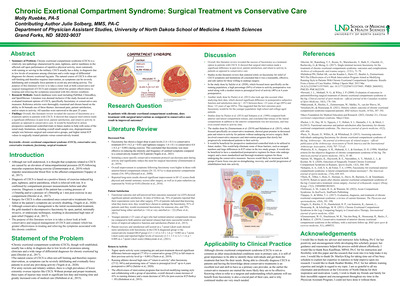
Celiac Disease: Advances in Diagnostic Testing?
Alicia A. Hanson
• Celiac disease (CD) is a gluten-sensitivity enteropathy that occurs in genetically susceptible individuals upon ingestion of gluten and resolves when gluten is withdrawn from one’s diet.
• Serological markers play a major role in the diagnosis of celiac disease, however a small intestinal biopsy is currently the gold standard in symptomatic individuals.
• The purpose of this study was to determine if serological testing alone is sufficient to confirm the diagnosis of CD and therefore eliminate the need for a biopsy.
• The review of literature explored studies that compared small intestinal biopsy with different serological testing in males and females, <1 to 80 years in>age, in order to determine if a biopsy was always necessary.
-
Treatment of Acute Bronchitis in Children with Pelargonium Sidoides
Amber Houge
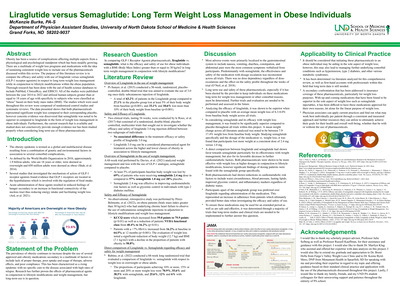
Bronchitis is one of the most common acute infections affecting pediatric patients. Most cases are caused by viral infections, do not respond to antibiotic therapy, and can take up to 14 days to resolve with supportive therapy. The purpose of this study is to determine if the use of Pelargonium Sidoides (Umcka™, EPs 7630) extract will decrease the duration and severity of symptoms from acute bronchitis in the pediatric population. Pelargonium Sidoides abstract is an extract of an African Geranium that has been used in traditional medicine for centuries. The review of the literature will evaluate multiple randomized controlled trials along with other studies that compare placebo, traditional supportive therapy and Pelargonium Sidoides extract to determine if the use of the extract will decrease severity and duration of illness without unacceptable side effects in the pediatric population. It has been demonstrated that providers will be able to safely advise patients to use Pelargonium Sidoides extract without any adverse side effects while helping to decrease the severity and duration of bronchitis symptoms in children. The finding indicate that routine use of Pelargonium Sidoides may give providers an alternative, effective and safe treatment that is well accepted by patients and caregivers for bronchitis in pediatric populations greater than one year of age compared to supportive therapy
-
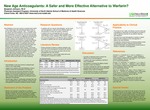
New Age Anticoagulants: A Safer and More Effective Alternative to Warfarin?
Benjamin Johnson
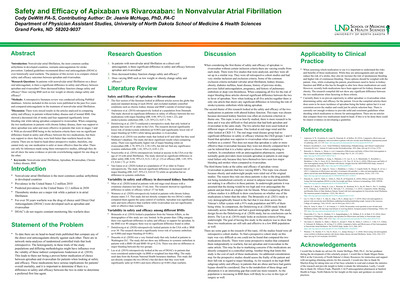
Atrial fibrillation is the most common sustained heart rhythm in the United States with estimated prevalence rates of 8.8/100 (Wolf, Abbott, & Kannel, 1991). The largest risk for patients with atrial fibrillation is that of ischemic stroke from embolization of an atrial clot, thus the long standing treatment for this arrhythmia is aggressive anticoagulation. For decades this has been accomplished with the use of warfarin, however, the increased risk of hemorrhage combined with the inconvenience of weekly blood testing has prompted the development of potentially safer and more effective alternatives. A systematic review of the literature identified studies that examined the safety and efficacy of direct thrombin and factor Xa inhibitors compared with traditional warfarin therapy. It was found that the new anticoagulants reduce the incidence of stroke and thromboembolism without increasing the risk of major hemorrhage when compared to warfarin. This provides health care providers another option to safely anticoagulate patients diagnosed with non-valvular atrial fibrillation without the burden of PT/INR monitoring.
-
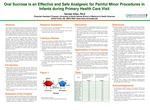
Oral Sucrose is an Effective and Safe Analgesic for Painful Minor Procedures in Infants during Primary Health Care Visit
Tanveer Khan
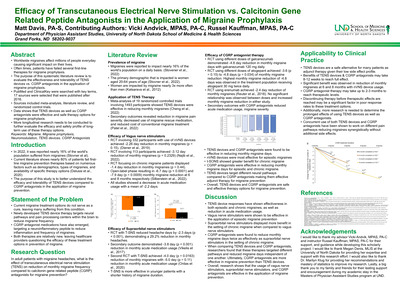
Pain induced by minor office procedures are associated with infant and family’s distress with possible long term psychological effects. Despite this known fact, it is not adequately treated in common practice. American Academy of Pediatrics (AAP) recommends pre-procedural oral sucrose to alleviate pain during the procedures. The purpose of this study was to review published literature for the efficacy and safety of oral sucrose as a pre-procedural intervention in infants for mild to moderate procedural pain.
A PUBMED, MEDLINE and COCHRANE database search was performed using the terms analgesia, infant, neonatal, newborn, nociception, pain, sucrose and randomized controlled study. Thirteen studies were selected for review after the exclusion criteria. The studies were reviewed for the outcome measures reported including, 1) efficacy of a single oral dose of sucrose as determined by pain scores, behavioral and physiological indicators and, 2) adverse events reported and safety. Furthermore, some other interventions outcomes were also reviewed including the dose, concentration of solution, timing and method of delivery of oral sucrose.
Oral sucrose is effective in reducing crying time and decreasing behavioral pain responses when given in a single dose 30 seconds to 2 minutes before the procedure in 10 out of 13 studies. No clinical significant adverse event was reported in 12 out of 13 studies. In conclusion, oral sucrose is an effective, safe, and immediate acting analgesic which reduces crying time and behavioral pain responses after minor painful procedures in infants. This literature review of high quality studies supports the AAP recommendation of using pre-procedural oral sucrose for pain control in infants during office procedures.
-
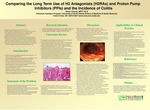
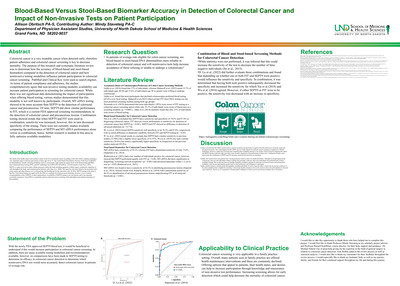
Comparing the Long Term Use of H2 Antagonists (H2RAs) and Proton Pump Inhibitors (PPIs) and the Incidence of Colitis
Reiner Kremer
• Commonly used medications for GERD may affect the colonic mucosa
• H2 antagonists (H2RAs) ranitidine, cimetidine famotidine reduce acid secretion by 60 to 70%.
• Proton pump inhibitors (PPIs) omeprazole, pantoprazole, lansoprazole, esomeprazole and rabeprazole reduce acid secretion by inhibiting the H+ (proton) secreting pump, reducing hydrochloric acid by 80 to 95%.
• Diarrhea is one of the most commonly reported adverse events.
• H2RAs and PPIs have the physiological and functional potential to interfere with gastrointestinal physiology by altering intestinal pH.
• Microcytic colitis causing chronic diarrhea and colonic inflammation is a significant complication risk after the > 4-8 week use of H2RAs and PPIs.
• The overall incidence of microcytic colitis has increased in both Europe and North America concurrent to the use of PPIs and H2RAs.
• Drugs associated with microscopic colitis are the H2 antagonist ranitidine (Zantac) and proton pump inhibitors lansoprazole (Prevacid), omeprazole (Prilosec) and esomeprazole (Nexium).
-
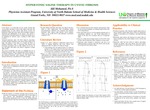
Hypertonic Saline Therapy in Cystic Fibrosis
Idil Mohamed
Cystic fibrosis is an autosomal recessive genetic disorder that severely affects the lungs as well as other organs in the body. The pathophysiology of cystic fibrosis lung disease involves the production of thick and sticky mucus that accumulates leading to obstruction and inflammation of the airways. This disease is characterized by abnormal transport of sodium and chloride across an epithelium by defective genes, resulting in thick mucus secretions.
Nebulized hypertonic saline (3% NaCl) improves mucociliary clearance through rehydration of the airway surface liquid of the lungs. The purpose of this study is to evaluate the effects of nebulized hypertonic saline in improving lung function and decreasing exacerbation rates in older children (10-18 years of age) and adults with stable cystic fibrosis compared to normal saline (0.9%).
The review of literature will focus on comparing the use of nebulized hypertonic saline in enhancing mucociliary clearance in CF patients compared to other methods. The expected outcome is that nebulized hypertonic saline treatment will improve lung function and decrease exacerbation of CF in these groups.
-
Effectiveness of Treatments for Low Back Pain
Angela K. Salveson
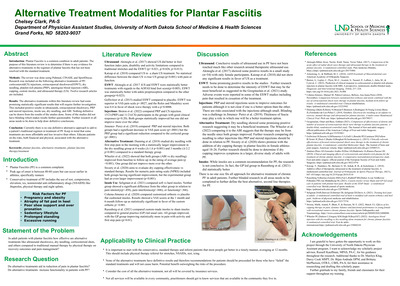
Low back pain with or without radiculopathy symptoms is increasingly becoming a common complaint for patients. The purpose of this study is to evaluate the most effective treatment for patients experiencing low back pain with or without radiculopathy symptoms with the goal of pain reduction/elimination and positive long term results. The review of literature explores studies that discuss treatment options of surgical intervention or conventional treatment such as physical therapy. This information supplies health care providers with the tools to educate patients on treatment options and possible outcomes in hopes to offer the best treatment for the individual. Results show that patients can have pain reduction or relief and return to normal activity level in a shorter time frame with treatment of conventional methods versus surgical interventions. The findings indicate treatment alternatives that may not have been considered as beneficial before. In addition, the findings may provide guidance to when a patient should be referred to a surgeon for treatment versus starting with physical therapy or other non-surgical treatment options. This information should help health care providers reduce a patient’s low back pain and improve their quality of life.
-
Comparing Fecal Microbiota Transplant (FMT) to Vancomycin: in Treatment of Recurrent Clostridium difficile Infections (CDI)
Christopher Seil
• Clostridium difficile infection (CDI) is the main cause of antibiotic-associated pseudomembranous colitis.
• CDI has tripled over the last ten years due to the increased use of broad spectrum antibiotics. CDI has become increasingly difficult to manage with traditional therapies such as metronidazole and vancomycin due to mutations in the pathogen, resulting in resistant organisms.
• The purpose of this review was to determine if fecal microbiota transplantation (FMT) is more effective in treating and curing CDIs than traditional vancomycin therapy.
• The hypothesis was that FMT will have better treatment outcomes than traditional vancomycin therapy.
• The findings indicated that FMT is a more cost effective, safer, and overall better treatment option for CDI than traditional therapies such as vancomycin.
-
Lyme Disease Outcomes with Immediate, Short Duration Antibiotic Use Versus Delayed, Longer Duration Use
Lori A. Steinley
Lyme disease is the fastest growing vector-borne disease in the United States, according to the Infectious Disease Society of America (IDSA). The guidelines for diagnosis provided by the IDSA include evidence of erythema migrans rash with validation of a positive two-tier serology testing. With no established treatment standards, decreased sensitivity of testing and inconsistency of observing the rash, practitioners following the guidelines may delay treatment of antibiotics. This delay could cause progression of severity of symptoms.
The purpose of this study is to compare implementation and duration time of antibiotics and establish the treatment protocol for best clinical outcomes for Lyme disease. Diagnosis will be based on practitioner’s clinical judgment with or without positive serology testing and erythema rash. Review of literature will define late, chronic and recurrent Lyme disease, describe recurrent treatment of Lyme disease, compare and contrast present protocols with different duration and types of antibiotics, and examine markers and subjective reports as evidence of improvement. Guidelines and recommendations will be provided from Lyme disease experts.
Significant results found that early implemented, shorter duration antibiotic use provided the greatest clinical improvement long term.
-
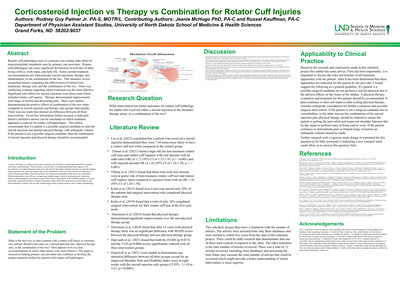
Acute Myocardial Infarction: Are we overlooking NSTEMI?
Kevin D. Swenson
• Acute myocardial infarction (AMI) is one of the leading causes of death in the United States.
• The purpose of this study was to examine methods of clinical differentiation between ST-segment elevation myocardial infarction (STEMI) and non-STEMI (NSTEMI) and then to compare the various treatment methods and subsequent outcomes in STEMI versus NSTEMI.
• A compilation of systematic reviews, medical journals, practice guidelines, medical texts and meta-analyses were researched for the purpose of this study.
• NSTEMI patients are older, have more comorbidities and present with more atypical symptoms than STEMI patients.
• NSTEMI patients are treated less aggressively than STEMI patients both in-hospital and after discharge.
• Based on current practices, NSTEMI mortality and major adverse cardiac events (MACE) rates are higher than in STEMI patients.
• Recent coronary angiography (CAG) outcome comparisons generally show similar mortality and hazard ratios and suggest better revascularization in NSTEMI than in STEMI.
• Early invasive treatment in NSTEMI has shown more positive results than late invasive treatment and is most effective in intermediate- to high-risk patients.
Printing is not supported at the primary Gallery Thumbnail page. Please first navigate to a specific Image before printing.