

Files
Download Full Text (311 KB)
Description
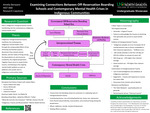
Intergenerational trauma in Indigenous communities dates to the early fifteenth century with the beginning of European colonization and continues to affect Indigenous communities through the present day. This project specifically examines the manifestations of intergenerational trauma in the Lakota community throughout North Dakota stemming from the off-reservation boarding school era. This research relied on a collection of oral histories gathered between 2016 and 2020 of enrolled members of the Lakota community who shared their personal experiences of coping with intergenerational trauma, and that of their close family and friends. This research establishes interdisciplinary connections among the fields of history, psychology, and public health to address gaps in understanding current mental health crises in Indigenous communities. Placing Indigenous mental health within a historical context draws clearer connections between past and ongoing trauma and the current rise in suicide rates, use of alcohol and other substances, incarceration, and Indigenous children in foster care. This research concludes that trauma from the off-reservation boarding school era continues in a repeating cycle of intergenerational trauma in which loss of kinship/familial ties, disconnect from shared cultural identity, foster care, incarceration, and continued living among perpetrators continue to cause high rates of addiction, suicide, and anxiety and depression.
Publication Date
6-12-2026
Document Type
Poster
City
Grand Forks, ND
Keywords
Lakota, Indigenous Suicide, Indigenous Mental Health
Recommended Citation
Benware, Amelia, "Examining Connections Between Off-Reservation Boarding Schools and Contemporary Mental Health Crises in Indigenous Communities" (2026). Arts & Sciences Undergraduate Showcase. 36.
https://commons.und.edu/as-showcase/36
Comments
Presented at the Spring 2026 Arts & Sciences UNDergraduate Showcase in Grand Forks, ND, May 7, 2026.