

Files
Download Full Text (836 KB)
Description
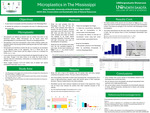
This poster explores the presence and impact of microplastics in the Mississippi River through the analysis of two research studies. The first study examined surface water samples to measure microplastic concentration and to assess how land use and geography influence their distribution along the river. The second study looks in on identifying microplastics in the digestive systems of fish collected from different locations along the river. Both studies have shown that microplastics are widespread throughout the river, with higher levels found downstream and in highly populated areas. The research highlights the ways in which microplastics enter freshwater environments, from urban runoff and wastewater to degraded consumer products, and how these pollutants can affect wildlife and humans. Fish are especially vulnerable, as microplastics accumulate in their stomach linings, potentially affecting their health and survival. The plastics can also work their way up the food chain, posing a possible risk to human health through the consumption of contaminated water or food. These findings stress the need for increased awareness and better waste practices. Reducing plastic usage, reusing materials, and improving disposal methods are all key steps in addressing this issue. By recognizing the sources and impacts of microplastics, we can begin to develop more sustainable habits and protect freshwater ecosystems.
Senior Capstone for GEOG 454: Conservation and Sustainable Use of Natural Resources with Professor Gregory Vandeberg.
Publication Date
7-8-2025
Document Type
Poster
City
Grand Forks, ND
Disciplines
Environmental Sciences
Recommended Citation
Goodall, Jozey, "Microplastics in the Mississippi" (2025). Arts & Sciences Undergraduate Showcase. 26.
https://commons.und.edu/as-showcase/26
Comments
Presented at the Spring 2025 Arts & Sciences UNDergraduate Showcase in Grand Forks, ND, May 8, 2025.