

Files
Download Full Text (512 KB)
Document Type
Poster
Description
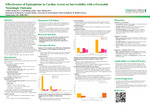
Cardiac arrest represents a critical medical emergency characterized by the cessation of effective cardiac function resulting in loss of blood flow to vital organs. The management of cardiac arrest often involves pharmacological interventions, primarily the administration of epinephrine. Historically, epinephrine has been the first-line agent in resuscitation protocols due to its sympathomimetic properties that can enhance cardiac contractility and blood circulation. However, the efficacy of epinephrine in yielding favorable long-term survival outcomes with maintained neurological function remains in question. This literature review examines the effectiveness of epinephrine in adult cardiac arrest, comparing outcomes to scenarios of no drug use and alternative pharmacotherapy, specifically vasopressin and combination therapies. Searching the electronic databases Pubmed and Embase resulted in a total of 10 articles for review. A literature review of clinical studies revealed that while epinephrine administration significantly improves the likelihood of achieving return of spontaneous circulation (ROSC), it does not correlate with an increased chance of survival with neurological recovery after arrest. Conversely, studies evaluating vasopressin demonstrated similar results in outcomes related to ROSC but inconclusive benefits in long-term survival. The combination of medications, including vasopressin with epinephrine and nitroglycerin, also failed to provide superior outcomes. The use of vasopressin-steroid-epinephrine (VSE) combination therapy appeared promising in improving outcomes but was not statistically significant. In conclusion, although epinephrine remains pivotal in acute resuscitation efforts, there is a critical need for ongoing research to explore alternative therapies and refine existing protocols to optimize patient survival and neurological outcomes in cases of cardiac arrest.
Department
Physician Assistant Studies
Degree Name
Master of Physician Assistant Studies (MPAS)
Publication Date
Spring 5-2025
Keywords
epinephrine, adrenaline, cardiac arrest, outcome, ventricular
Disciplines
Medicine and Health Sciences
Recommended Citation
Young, Nathan, "Effectiveness of Epinephrine in Cardiac Arrest on Survivability with a Favorable Neurologic Outcome" (2025). Physician Assistant Scholarly Project Posters. 339.
https://commons.und.edu/pas-grad-posters/339