Land Art: A Partnership with Nature
Curatorial Statement
As the Covid-19 pandemic continued into Summer 2020, I began to think about how I could develop assignments for my sculpture class that would teach students about contemporary developments within the field of art/sculpture, but also encouraged social distancing. This exhibition is the result of one of those assignments—an Andrew Goldsworthy inspired Land Art Assignment.
The contemporary Land Art Movement began in the 1960s, influenced by minimal and conceptual art. But some Land Artists in this era were also responding to the growing societal concerns for the environmental health of the planet. While the roots of the Land Art Movement can be linked to many different ideas, it is important to note that people were working with, and in the land long before the contemporary Land Art Movement—Stonehenge in England, the Nazca Lines in Peru, or the effigy mounds of Indigenous peoples in North America, are but a few examples.
Like any art movement, the Land Art Movement evolved in many different directions and categories. Today, the term Land Art is an umbrella term used to encompass a variety of approaches to this artistic genre that range from Earth Art and Environmental Art, to Activist Art. While artists working in these traditions all have different working styles, from the highly conceptual to the aesthetic, what unites all of them is that they begin with the same subject—the land.
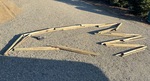
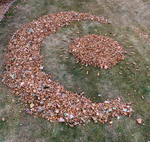
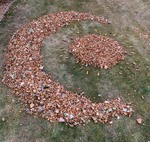
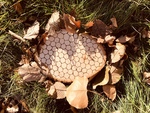
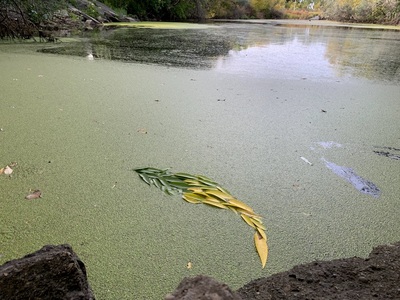
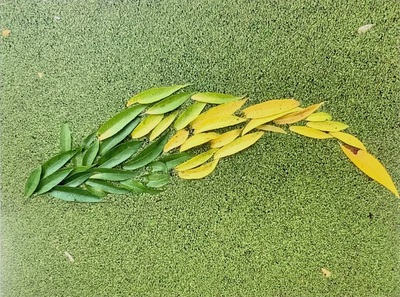
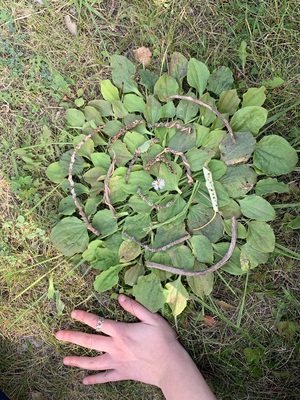
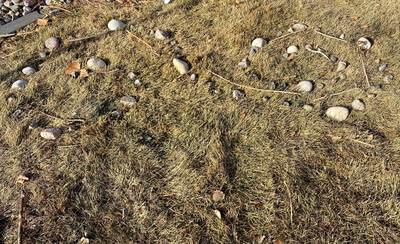
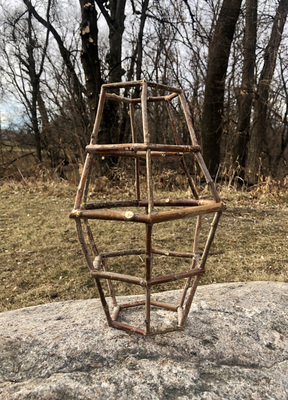
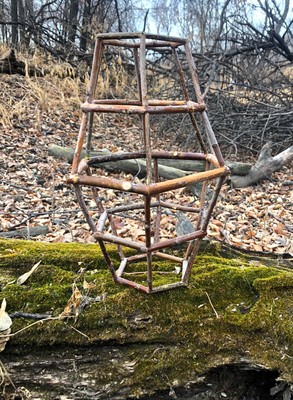
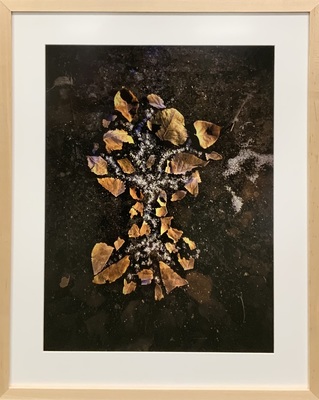
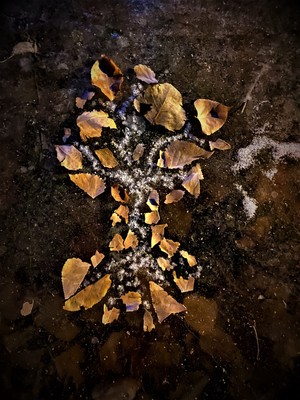
In my Introduction to Sculpture and Advanced Sculpture classes, students were given a Land Art Assignment working in the tradition of Andrew Goldsworthy, especially Goldsworthy’s early work, where he worked only with natural materials he found on location. Usually his artworks were in remote locations and his materials ranged from snow, icicles, leaves, stones, water, tree limbs, thorns, sand, etc. Depending on the location, his work would last from a few hours, to a week or more before nature reclaimed his creations. The work lived on only through photographic documentation.
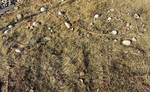
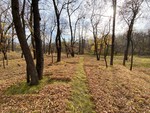
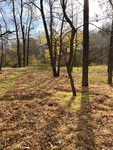
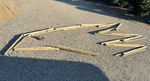
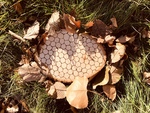
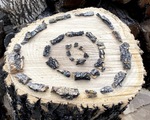
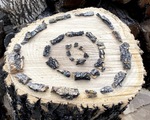
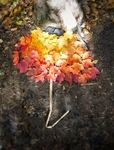
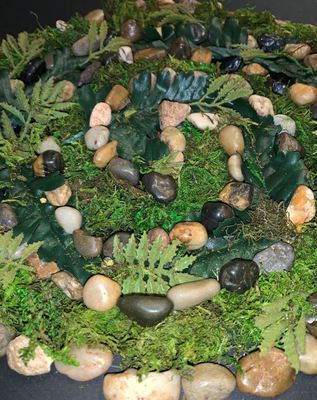
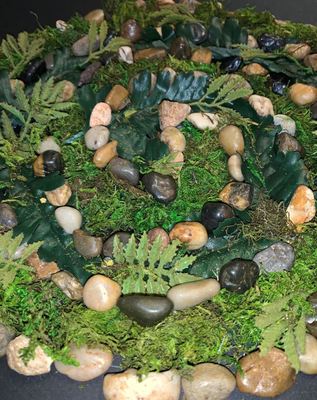
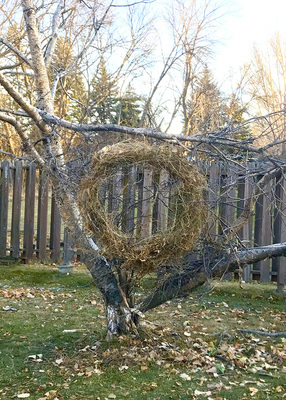
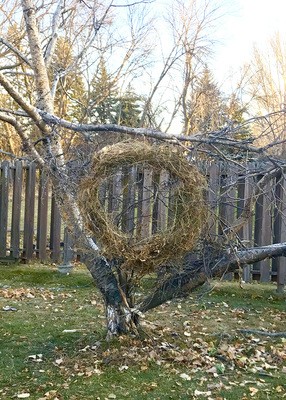
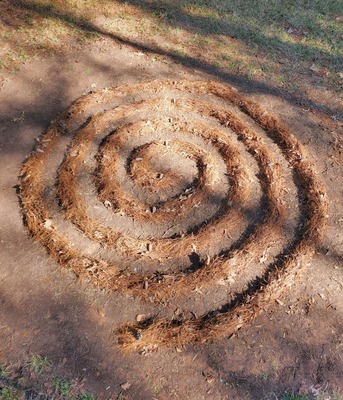
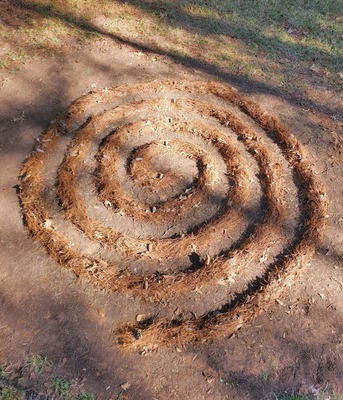
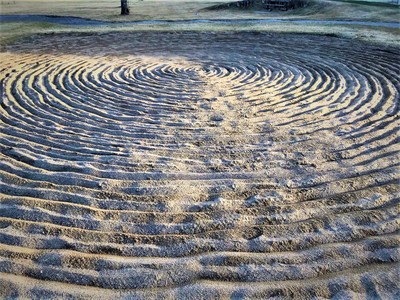
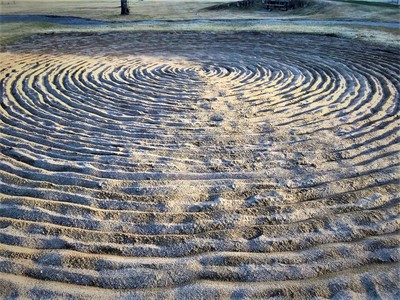
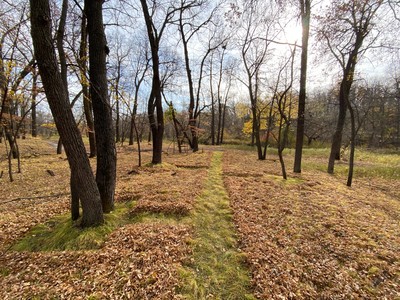
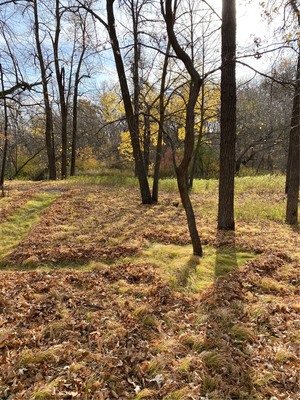
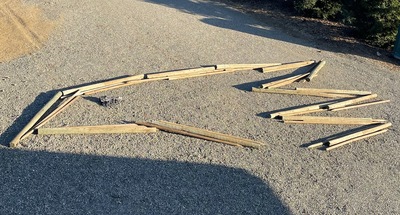
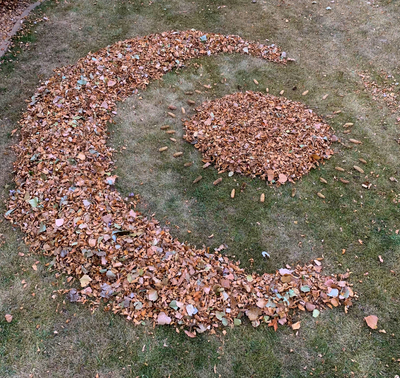
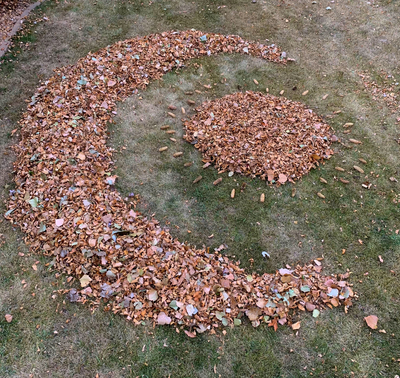
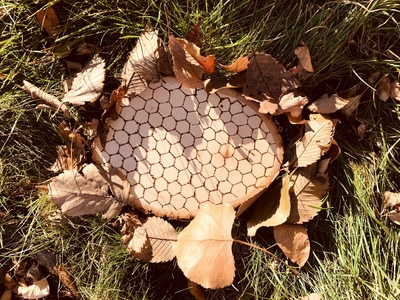
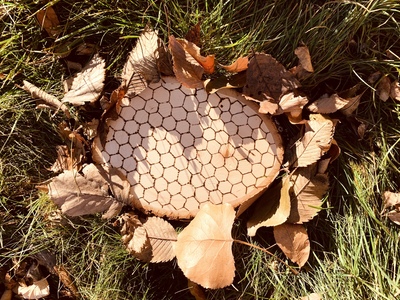
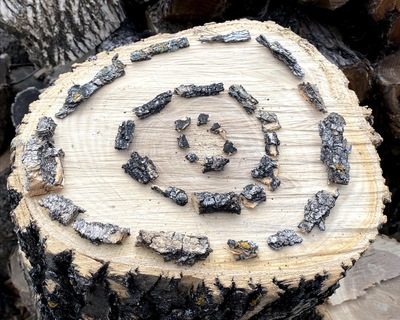
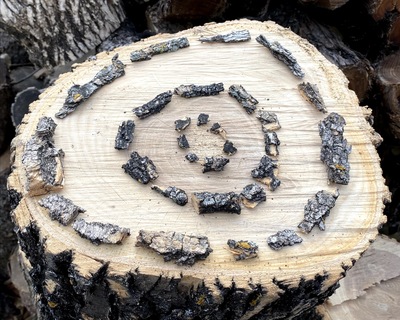
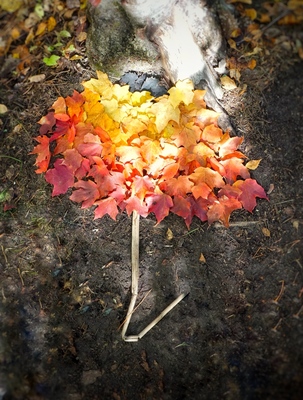
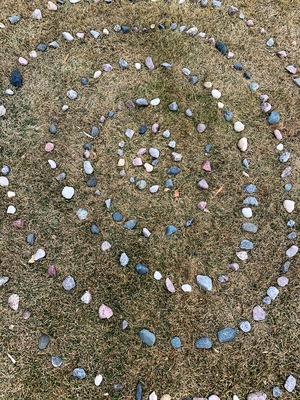
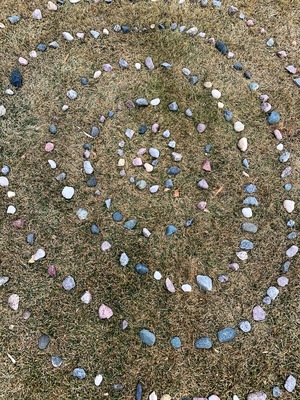
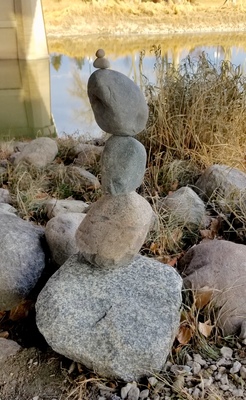
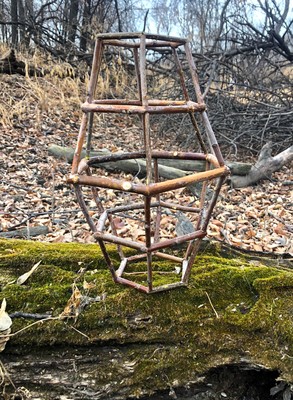
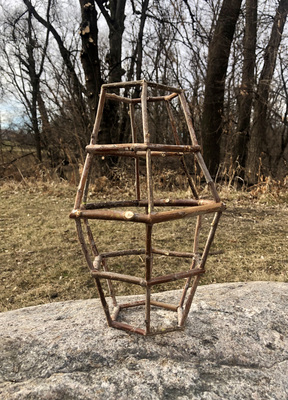
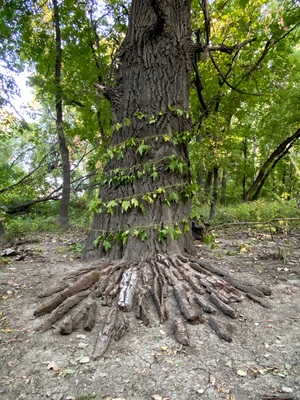
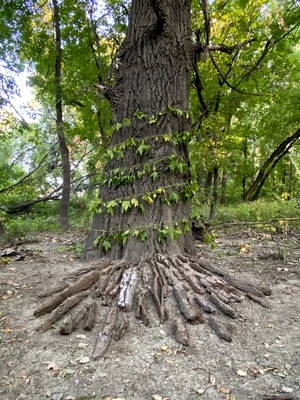
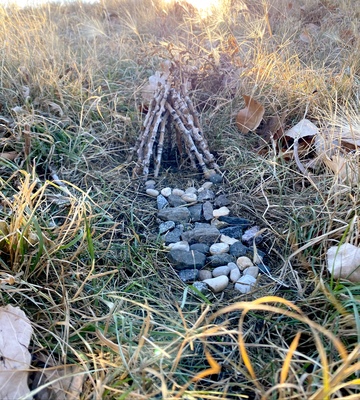
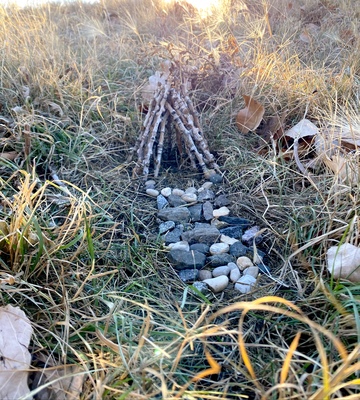
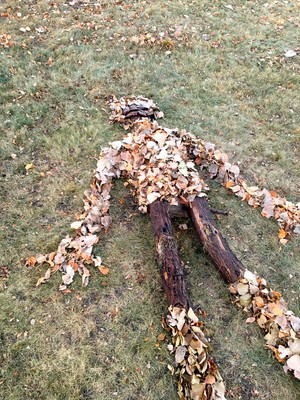
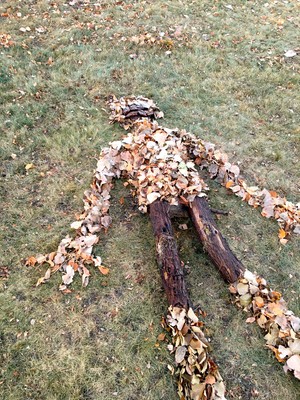
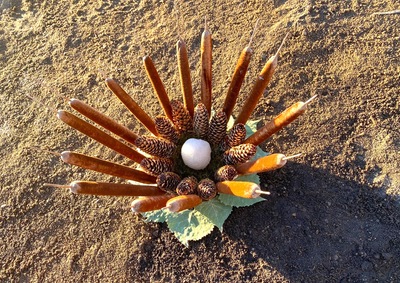
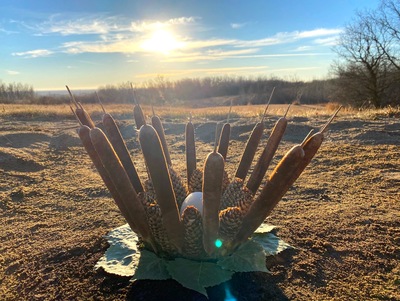
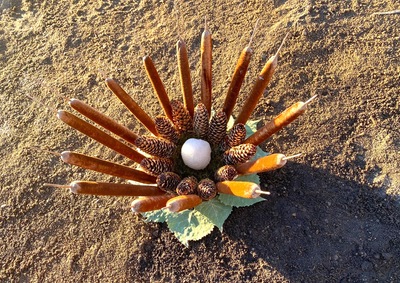
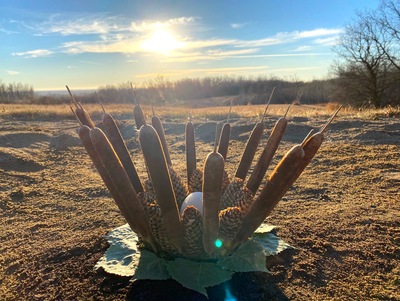
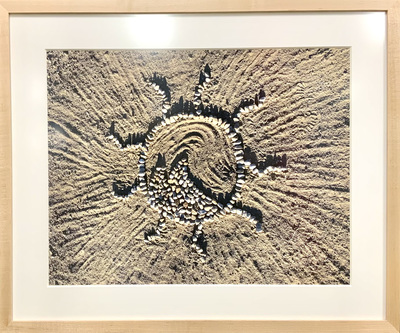
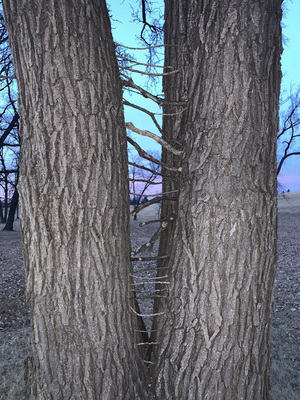
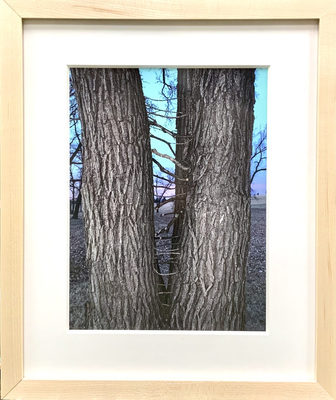
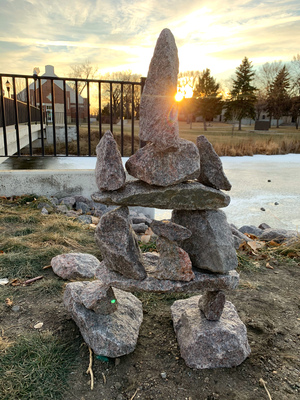
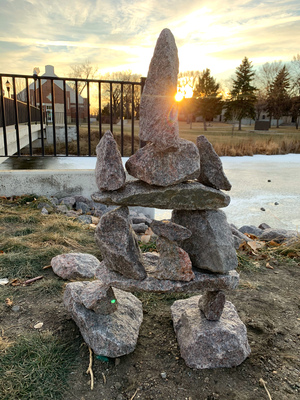
Likewise, the students choose a site and created a work using only the materials they found at the site. Many of the works were created on UND Campus, but others were located on private property or at Turtle River State Park. Each student then photographed their work and wrote a short statement outlining their creative process. Like Goldsworthy’s work, their work will fall apart, decay, or blow away.
One might ask, “why make art in remote locations and work that is ephemeral”? The answer to that question might be best answered with another set of questions. “Why do we admire rainbows? Why do take automobile trips to experience nature’s spectacular array of colors in Autumn? Or wish the orange and purple sunsets over a lake would last forever? Are there things that we value for their inherent worth and beyond their commercial value? We admire—and value—these natural phenomena precisely because they are beautiful and temporal. Unlike the 24/7 culture we inhabit, these are not “view on demand” experiences—you need to be there. While works of Land Art are not “natural” phenomenon, artists like Goldsworthy and that of the students in the sculpture classes work in partnership with nature, bringing an additional human aesthetic, or beauty to our lives. This is not an entirely a new idea either—just think of Japanese Bonsai trees, Zen gardens, or the University Park in Grand Forks. All of these are not “natural”, but collaborations with nature that reflect each culture’s artistic traditions and design sensibilities. Discovering and experiencing these human interventions in nature bring us sheer joy, happiness, and often evoke a sense of wonder.
There were many different assignments in my sculpture classes in Fall 2020, but as I began the Semester, I told my students that what united all of the assignments—and what served as our overarching theme for the semester—was the idea of beauty. The Covid-19 pandemic continues. Now, as in the Fall of 2020, we all could use a bit more beauty in our lives. I am happy to say that all the students did their part to bring a little more beauty into the world—and for that, I say thank you to all.
Patrick Luber Professor, Department of Art & Design, Sculpture